As the countdown continues to the Youth Olympic Games Dakar 2026 – the first-ever Olympic competition on African soil – the International Fencing Federation (FIE) is shifting into high gear to deliver both an unforgettable milestone for global fencing and lasting legacies for the local population.
The FIE is ramping up efforts to train technical officials and armourers while also introducing fencing to local schoolchildren through the Fencing for the Future project: an ambitious trio of legacy initiatives set to transform Senegal’s sporting landscape for years to come.
Technical training
In May, an intensive training course was held at Dakar’s Léopold Sédar Senghor Stadium for National Technical Officials (NTOs) and Sport Specific Volunteers (SSVs) who will play a key role in the delivery of the fencing competition at the Youth Olympic Games, scheduled to take place between 31 October and 13 November.
Jointly organised with the Dakar Youth Olympic Games Organising Committee (YOGOC) and Senegalese Fencing Federation (FSE), with the support of the FIE, this exceptional training course was led by two renowned specialists: Gilles Éric Martinage, armourer for the French National Fencing Teams, and expert FIE trainer Xavier Michel.
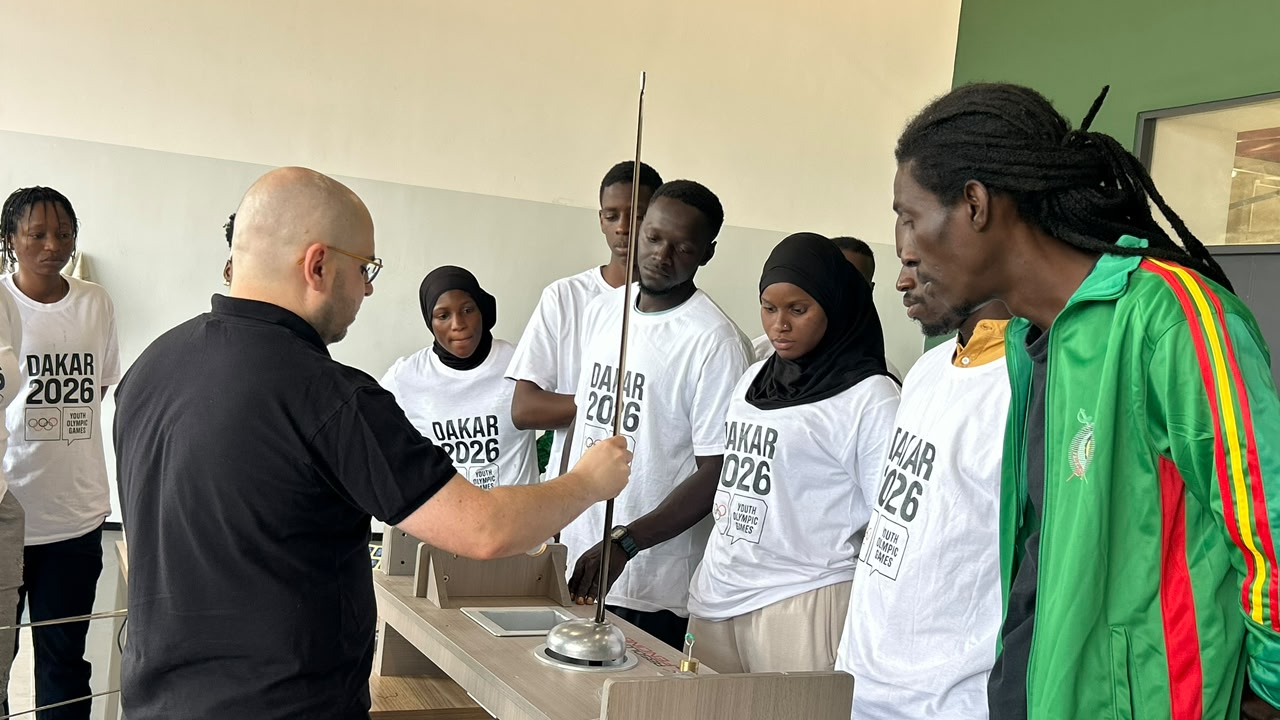
Some 40 participants took part in three days of immersive exercises focused primarily on equipment control and management of the call room. Practical exercises provided hands-on experience handling equipment and replicating official procedures while providing the opportunity to perform under match conditions in epee, foil and sabre.
The highly successful workshop represents a long-term investment in Senegalese and African fencing that will not only have immediate benefits for Dakar 2026 but longer-term dividends as well. Senegal now has a pool of qualified women and men trained to international standards who are capable of officiating at numerous local, national and international events held on the continent, and very enthusiastic to do so!
Reduce, reuse, recycle
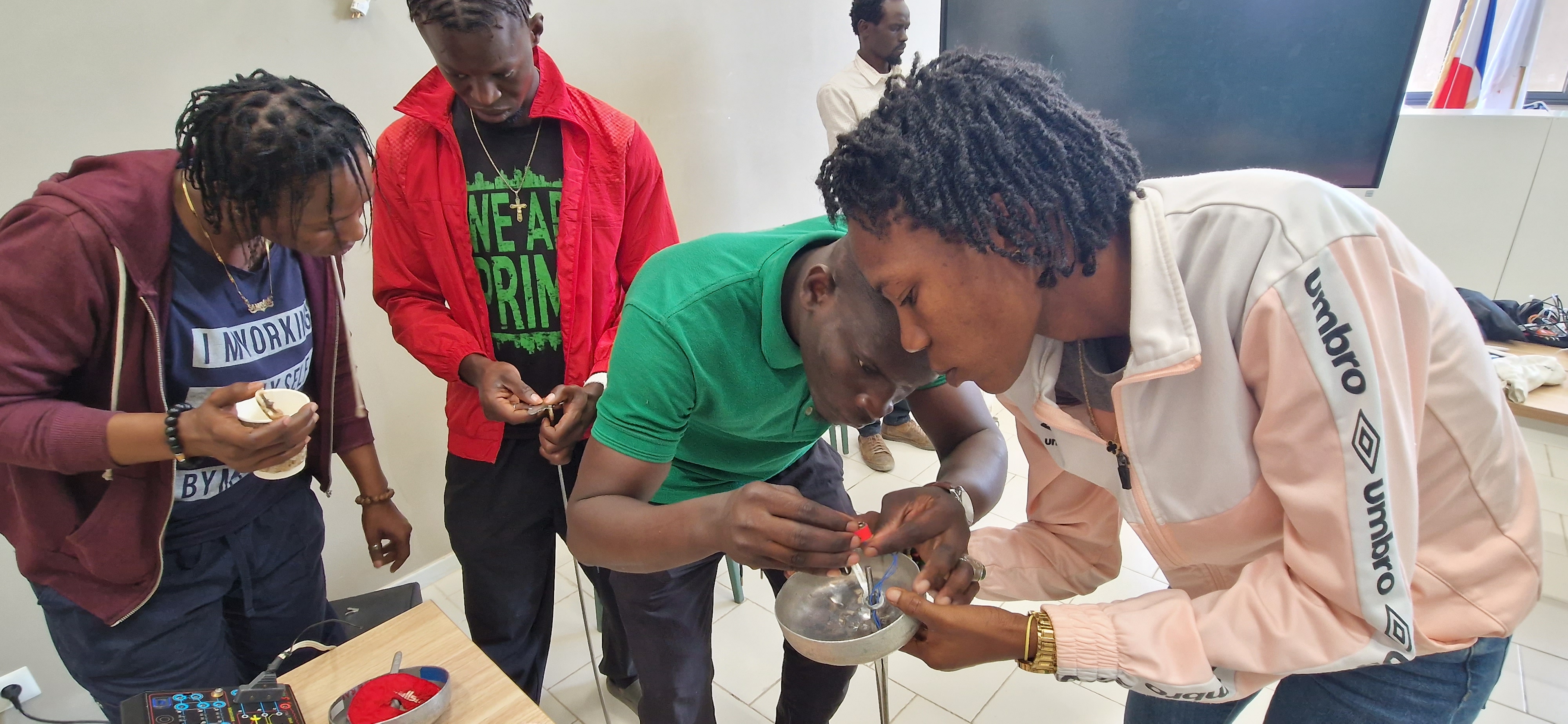
Senegalese fencing also received an upgrade in the form of a five-day programme dedicated to the maintenance and repair of fencing equipment jointly delivered by the FIE and FSE. This programme aligns perfectly with the FIE’s global environmental strategy to reduce the waste and the environmental impact of fencing, while increasing access to the sport for people from all walks of life.
With a focus on reducing, reusing and recycling, French armourer Martinage guided young Senegalese fencers in weapon repair and the maintenance of electrical equipment.
Participants successfully restored several pieces of previously unusable equipment, including winders, epees, foils, sabres, an electric display device and body and marking wires.
By cultivating local expertise in armoury, the programme aims to reduce the economic costs and environmental impact of the sport in the region. As a bonus and wonderful surprise for the participants, the FIE provided 10 recipients – three women and seven men – with complete toolkits to immediately apply their newly acquired skills, thereby fostering technical autonomy within Senegalese fencing.
The initiative transcended simple equipment repair to build genuine national expertise essential for developing the sport in the country while also meeting the needs of any international competitions Senegal hosts in the future.
By showing how managing and salvaging existing resources can often be more effective than purchasing new equipment, the FIE and FSE demonstrated that it is possible to effectively combine athletic performance, innovation, knowledge transfer, and environmental responsibility.
With eco-responsibility a core theme of the FIE’s Strategic Plan 2025-2028, this initiative is just one of the many actions the Federation is taking to ensure an increasingly green future for the sport, including the roundtable held in April this year in Rio de Janeiro on the theme of Reduce-Reuse-Recycle.
Fencing for the Future
Looking ahead, the FIE is also preparing for the official launch of our exciting new project “Fencing for the Future: Nurturing the Next Generation.”
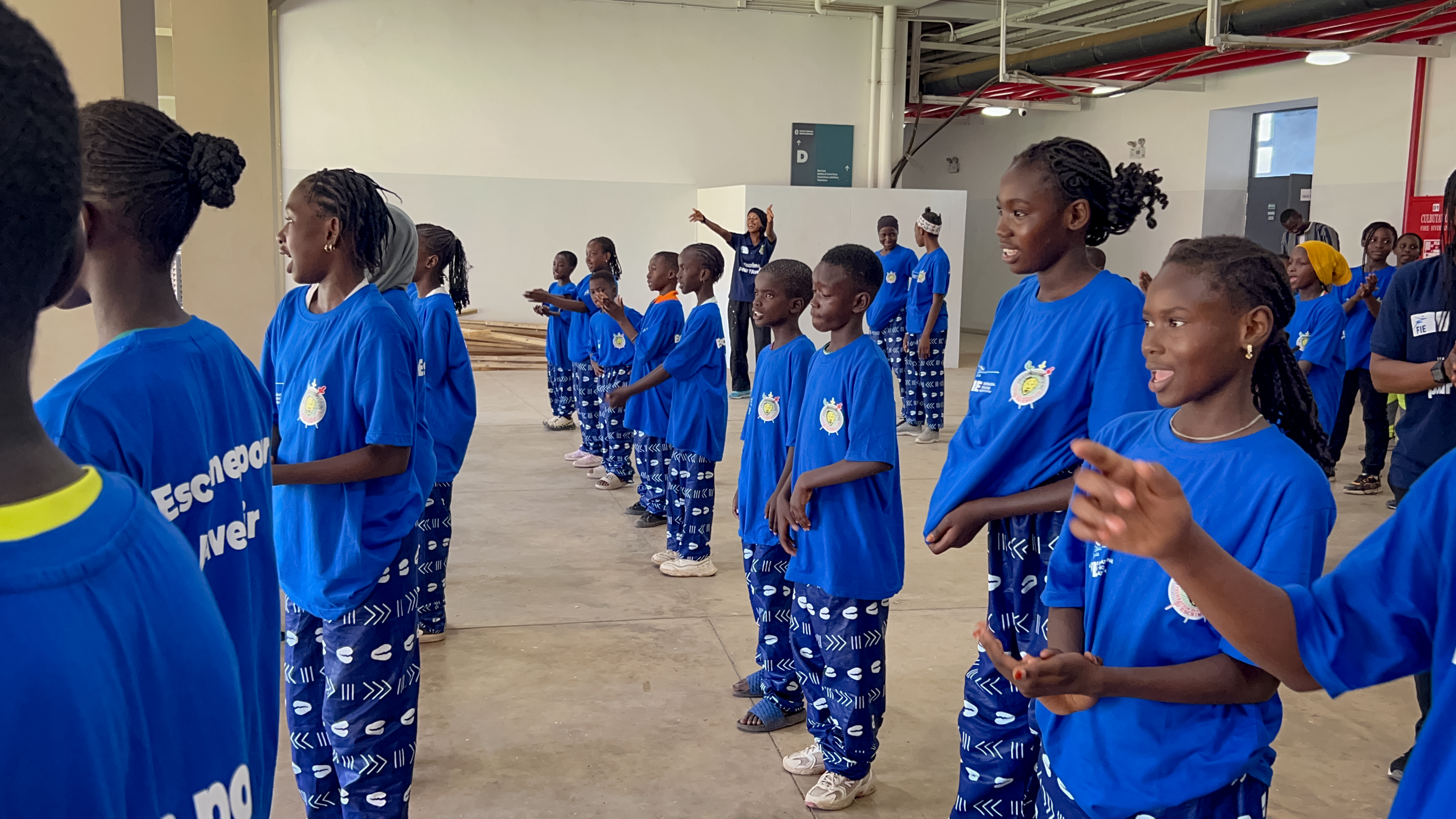
Modelled around the principle that sport can be a powerful enabler of sustainable development, the school-based sporting initiative is designed to introduce young people across Senegal to fencing and the inspirational values of our sport, including universality, fair play, youth empowerment, inclusion and diversity. As part of the programme, participating children will take part in a training camp and tournament, where they will have the opportunity to develop their skills, experience competition and build lasting connections through sport.
The FIE made a preparatory visit to Senegal during the African Junior Championships in February, where the FIE Project and Development Director Elena Murdaca met with the relevant authorities, including Elhadji Tanor Gning, Director of the Cabinet of the Minister of Sports and Youth in Senegal, Mr Cheick Faye, Dakar Academies Inspector. and Moussa Dia,, Head of the Sports and Youth Activities Division (DSAJ) at the Ministry of National Education and President of the Senegal Sport School Federation.
An invitation to participate in the Fencing for the Future programme was sent to schools throughout the country by the FSE. The ongoing programme aims to reach over 200 students, with 50 cadets (minimum 40 per cent female) being selected for training. Equipment will be provided by the FIE and FSE.
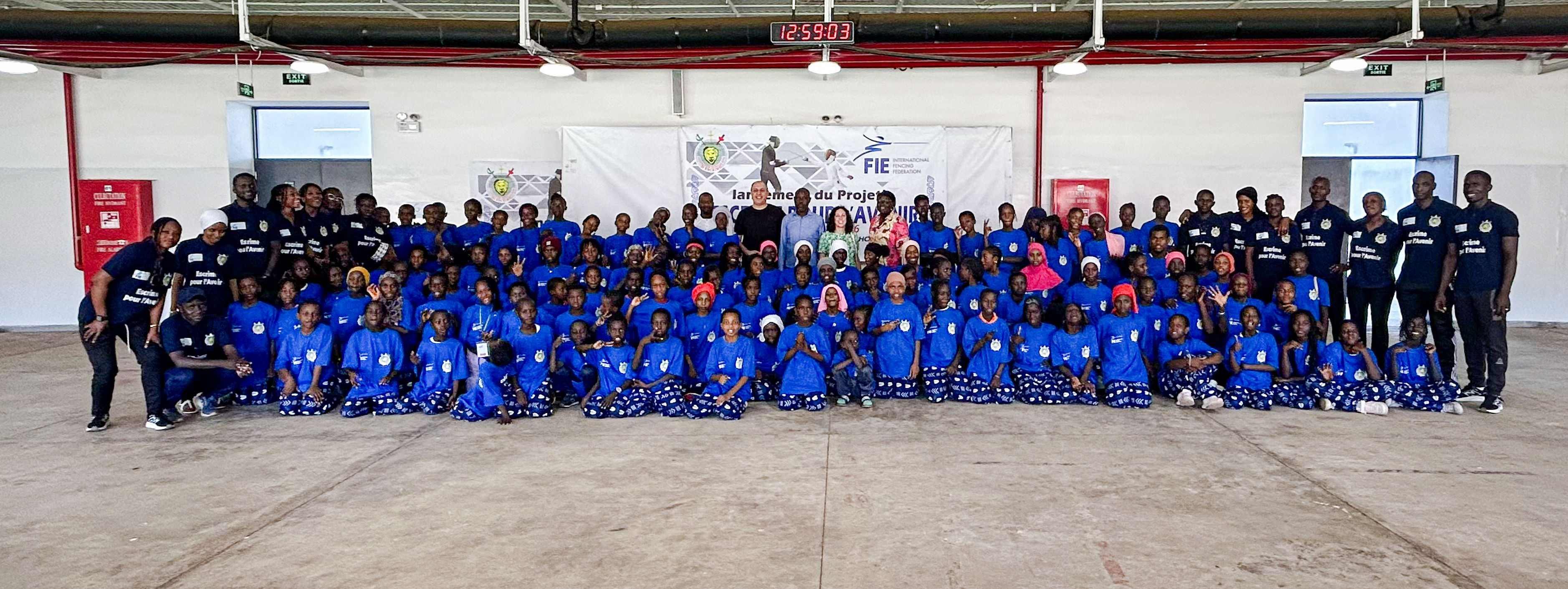
The FIE and the Senegalese Fencing Federation officially launched the “Fencing for the Future: Nurturing the Next Generation” programme in Dakar on 20 June. The ceremony was presided over by Madam Cecile Faye, President of the FSE, and Madam Elena Murdaca, FIE Director of Development, in the presence of Mr. Magatte Dièye, representative of the CNOSS, and Mr. Moussa Dia, representing the Ministry of National Education, alongside Technical Director of the African Fencing Confederation, Master Hassene Zouari. The day opened with a press conference before continuing with fencing demonstrations and initiation activities involving more than 100 schoolchildren from several schools in Dakar, as well as young athletes from local fencing clubs.
In addition to nurturing the next generation of athletes, Fencing for the Future also aims to broaden the pool of qualified male and female coaches, with a course for fencing initiators provided by the Technical Director of the African Fencing Confederation and Member of the FIE Fair Play Council Hassène Zouari, from the 12 to the 19th of June.
Through these efforts, the FIE is determined to ensure that its impact extends far beyond the fencing events at the Youth Olympic Games. Our goal is to leave a long-lasting sporting legacy that benefits the people of Senegal long after the Games come to a close.